How to Enhance WiFi Security Using a VPN: What You Need to Know
If you've ever wondered whether your home WiFi network is truly secure, you're not alone. With cybercrime damages predicted to hit $10.5 trillion annually by 2025, according to Cybersecurity Ventures, the stakes have never been higher. While strong passwords and updated routers are important, there's another powerful tool that can significantly boost your WiFi security: a Virtual Private Network, or VPN.
But how exactly can a VPN shield your home network from threats? And what practical steps can you take to harness its full protective power? In this article, we’ll break down how VPNs work, why they’re essential for WiFi security, and how you can easily set one up. We’ll also compare VPN options and debunk some common myths. Whether you’re a remote worker, casual browser, or streaming enthusiast, understanding VPNs could be your best move in fortifying your WiFi.
Understanding VPNs: What Are They and How Do They Work?
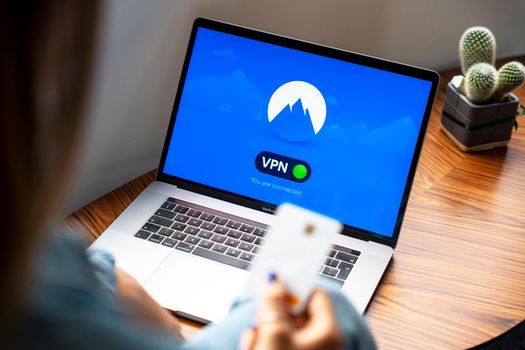
A VPN, or Virtual Private Network, creates an encrypted tunnel between your device and a remote server managed by the VPN provider. This process masks your real IP address and secures all the data traveling between you and the wider internet. Even if a cybercriminal manages to intercept your WiFi traffic, they would only see encrypted, unreadable information.
.png)
For example, if you’re at home and connected to your WiFi, your internet traffic typically travels from your device through your router and then to your internet service provider (ISP). Without a VPN, your ISP—and potentially hackers on your network—can see which websites you visit and what data you’re sending. With a VPN enabled, all this information is encrypted, making it nearly impossible for outsiders to snoop.
A 2023 survey by Statista found that 41% of internet users worldwide have used a VPN at least once, highlighting the growing awareness of online privacy and security.
Why WiFi Networks Are Vulnerable to Attacks
While home WiFi networks might feel private, they are often surprisingly easy targets for cybercriminals. Here’s why:
1. Weak Passwords: Many people still use default or easily guessable passwords. In 2022, “123456” remained among the most common WiFi passwords globally. 2. Outdated Router Firmware: Manufacturers regularly patch security holes. However, a 2023 study by the American Consumer Institute found that 83% of home routers in the U.S. have known vulnerabilities due to outdated firmware. 3. Lack of Encryption: If your WiFi is set to use old encryption standards like WEP, it can be cracked in minutes with freely available tools. 4. Public and Guest Networks: Allowing guests to access your main WiFi network can open the door to inadvertent threats or malware.Even if you’re diligent about passwords and updates, all your unencrypted internet traffic can still be monitored by your ISP or intercepted by hackers using sophisticated techniques like “man-in-the-middle” attacks.
How a VPN Shields Your WiFi Traffic
A VPN acts as a robust security layer that protects your WiFi activity in several ways:
- Encryption: VPNs use protocols like OpenVPN or WireGuard to encrypt your internet traffic with standards such as AES-256, the same encryption trusted by governments and banks. - Anonymity: By hiding your real IP address, VPNs prevent websites, advertisers, and even your ISP from tracking your online activity. - Secure Access on Public Networks: If you ever connect your devices to WiFi in cafes, airports, or hotels, a VPN is essential. Public WiFi is notoriously insecure, but a VPN makes it much harder for hackers to intercept your data.Consider this real-world scenario: In 2019, a hacker intercepted data from users on a public cafe’s WiFi network in London, siphoning off passwords and emails. Those using a VPN, however, were protected by strong encryption and escaped unscathed.
Setting Up a VPN: Router vs. Device Installation
There are two main ways to use a VPN to protect your WiFi connection: installing it on individual devices or on your WiFi router.
| Installation Method | Protection Coverage | Ease of Setup | Best For |
|---|---|---|---|
| Device-based VPN (Laptop, Phone, Tablet) | Only the device with VPN installed | Very easy, usually a few clicks | Individuals, travelers, personal use |
| Router-based VPN | All devices connected to your WiFi | Moderate to advanced (may require firmware updates) | Households, smart homes, multiple users |
Device-based VPNs are quick to set up and ideal for personal use. Most reputable VPN services offer user-friendly apps for Windows, macOS, iOS, and Android. Simply download the app, log in, and connect.
Router-based VPNs are more complex but offer blanket protection. Once configured, every device—smart TVs, game consoles, IoT gadgets—benefits from VPN encryption, even if they can’t run VPN software themselves. Note: Not all routers support VPNs natively, so you may need a compatible model or third-party firmware like DD-WRT or OpenWRT.
Choosing the Right VPN for WiFi Security
Selecting a trustworthy VPN is crucial, as a poor service can undermine your security rather than enhance it. Here are the key factors to consider:
- No-Logs Policy: Choose VPNs that explicitly state they don’t keep activity or connection logs. This ensures your browsing history can’t be traced back to you. - Strong Encryption: Look for providers that use AES-256 encryption or better. - Speed: Some VPNs can slow your internet. In 2024, the average speed drop with a premium VPN is around 10-20%. Opt for services with high-speed servers and WireGuard protocol support. - Server Locations: The more countries and cities a VPN covers, the better your connection options. - Simultaneous Connections: If you have many devices, ensure your plan allows for multiple connections at once. Some leading VPNs offer 5-10 simultaneous devices.According to a 2023 report by Top10VPN, NordVPN, ExpressVPN, and Surfshark consistently rank among the most secure and reliable options.
Common VPN Myths and Misconceptions
VPNs are powerful, but they’re not magic. Here are a few common myths:
Myth 1: VPNs Make You Completely Anonymous Reality: While VPNs mask your IP address, other tracking mechanisms like browser cookies and account logins can still identify you.
Myth 2: All VPNs Are Created Equal Reality: Free VPNs often log your data or inject ads. In 2021, an investigation by CSIRO found that 38% of free Android VPNs contained malware or leaks.
Myth 3: VPNs Are Only for Tech Experts Reality: Most modern VPN apps are designed for all skill levels, with simple interfaces and one-click connections.
Myth 4: You Don’t Need a VPN at Home Reality: Home WiFi is not immune to threats, especially with the rise of IoT devices and remote work. A VPN adds an essential layer of protection.
Practical Steps to Maximize WiFi Security with a VPN
Ready to take action? Here’s how to get the most out of your VPN for WiFi security:
1. Install the VPN on Every Device: Protect laptops, smartphones, tablets, and any other internet-connected device you use. 2. Use Router-Level VPN for Whole-Home Coverage: This is especially effective for smart homes with many devices. 3. Enable Kill Switch: Most quality VPNs offer a “kill switch” feature that blocks your internet if the VPN disconnects, preventing accidental data leaks. 4. Update Regularly: Keep both your VPN software and router firmware up to date to patch vulnerabilities. 5. Combine With Other Security Practices: Use strong, unique passwords and WPA3 encryption on your WiFi for maximum protection.Securing Your Digital Life: The Last Word on VPNs and WiFi Security
As our homes fill with smart devices and our lives move increasingly online, WiFi security is critical. A VPN is no longer just a tool for privacy enthusiasts—it's a mainstream necessity for anyone who wants to secure their digital footprint. By encrypting your internet traffic, masking your IP address, and protecting all devices on your network, a VPN is one of the most effective defenses against cyber threats. Combine it with good password hygiene and up-to-date hardware, and you’ll dramatically reduce your risk of hacking, identity theft, and unwanted surveillance.
Whether you choose device-based or router-level protection, the investment in a reliable VPN pays off in peace of mind. In today’s connected world, enhancing your WiFi security with a VPN is smart, straightforward, and increasingly essential.