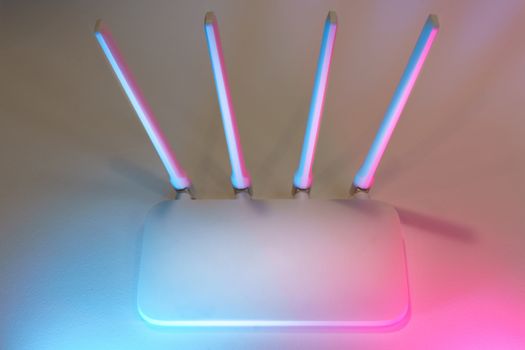
WiFi has become the backbone of modern homes, powering everything from streaming and gaming to smart home devices and virtual meetings. Yet, even with the fastest router, poor placement can cause frustrating dead zones, sluggish connections, or unreliable coverage. Understanding the science behind optimal router placement is essential for unlocking the full potential of your home network. This guide digs deep into how walls, materials, elevation, and interference affect your WiFi signal—and offers actionable strategies to ensure strong, stable coverage in every room.
The Science Behind WiFi Signal Propagation
WiFi routers transmit data via radio waves, typically on 2.4 GHz and 5 GHz frequencies. Like any radio signal, these waves are subject to reflection, absorption, refraction, and interference from objects and materials within your home. According to a 2023 study by the Wireless Broadband Alliance, up to 30% of home WiFi performance issues are directly linked to poor router placement rather than hardware limitations.
Key factors influencing WiFi signal propagation include:
- $1 Thick walls, metal appliances, and even large furniture can absorb or reflect signals. - $1 Concrete, brick, and metal can reduce WiFi signals by up to 90%, while wood and drywall have a much lesser effect. - $1 WiFi strength decreases exponentially with distance. At 30 feet, a 2.4 GHz signal loses about 60% of its initial strength, while 5 GHz drops even faster. - $1 Other wireless devices, such as cordless phones, microwaves, and Bluetooth gadgets, can disrupt your signal, especially on the crowded 2.4 GHz band.Understanding these scientific principles is the first step toward optimizing router placement.
.png)
Mapping Your Home: Identifying Signal Blockers and Hotspots
Before choosing a spot for your router, it's crucial to assess your home's unique layout and construction materials. Not all rooms are created equal, and certain features can significantly affect WiFi performance.
- $1 Open floor plans generally allow signals to travel farther, while homes with many small, walled-off rooms can create signal bottlenecks. - $1 List primary materials for walls and floors. For example, a home with reinforced concrete walls will experience greater signal loss compared to one with mostly drywall. - $1 High device density areas—like living rooms, home offices, or entertainment centers—should be prioritized for optimal coverage.Professional WiFi heatmapping tools, such as NetSpot or Ekahau, allow homeowners to visualize signal strength room by room. However, even a simple walk-through with a smartphone WiFi analyzer app can expose weak spots and unexpected dead zones.
Elevation, Orientation, and Centralization: Key Placement Strategies
One of the most common mistakes is hiding the router in a corner, behind a TV, or inside a cabinet for aesthetics. While this might make the device less noticeable, it can cripple your network performance.
Here are proven placement strategies for maximizing coverage:
- $1 Place your router at least 4-6 feet off the ground. Signals radiate outward and downward, so higher placement helps reach more of the home. - $1 Position the router as close to the center of your home as possible. This minimizes the maximum distance to any device and reduces the number of walls the signal must traverse. - $1 If your router has adjustable antennas, orient them perpendicular to each other (one vertical, one horizontal) to maximize multi-floor coverage. - $1 Keep the router away from metal objects, aquariums, large mirrors, and thick walls. Even a refrigerator or microwave within 10 feet can degrade performance. - $1 Don’t place your router near wireless phones, baby monitors, or Bluetooth speakers, which can cause interference.Understanding Multi-Floor and Large Home WiFi Challenges
Homes with multiple stories or sprawling layouts face unique WiFi distribution challenges. Signal strength drops sharply when passing through floors—especially those made of concrete or with metal reinforcements.
Here’s how to address these scenarios:
- $1 For two-story homes, position the router on the upper floor, as signals naturally radiate downward. For three stories, place it on the middle floor. - $1 If possible, position the router near open staircases, as these act as signal highways between floors. - $1 Consider upgrading to a mesh WiFi system for properties over 2,500 square feet. Mesh nodes communicate seamlessly and spread coverage evenly across multiple floors and rooms.The table below compares typical WiFi performance in various home layouts:
| Home Layout | Single Router Coverage (sq. ft.) | Signal Strength on Upper/Lower Floors | Recommended Solution |
|---|---|---|---|
| Single-story, open plan | 1,500–2,000 | Strong | Central router placement |
| Two-story, closed rooms | 1,200–1,800 | Moderate to Weak | Router on upper floor, mesh system for full coverage |
| Large, multi-wing house | 1,000–1,500 | Weak in remote wings | Mesh system or additional access points |
| Apartment with concrete walls | 700–1,200 | Variable, often weak | Router near main living area, consider powerline adapters |
Fine-Tuning Placement With Real-World Testing
Optimal placement is not just a matter of theory—it’s about real results. After choosing a spot using the above strategies, always validate with practical testing.
- $1 Tools like WiFi Analyzer (Android) or AirPort Utility (iOS) allow you to measure signal strength in dBm (decibel-milliwatts) throughout your home. Aim for at least -60 dBm in key usage areas for smooth streaming and video calls. - $1 Use speedtest.net to check connection speed in various rooms. Note where speeds drop below 25 Mbps (minimum for HD streaming). - $1 Walk around with your phone or laptop, streaming a video or making a video call. Buffering or dropped calls indicate weak spots.If you notice persistent dead zones after repositioning, consider these solutions:
- $1 For targeted improvement in a single room or area. - $1 Run Ethernet cables to distant rooms and connect secondary access points. - $1 Older routers may simply lack the range or features needed for modern homes.Placement Pitfalls to Avoid: Common Mistakes and Misconceptions
Despite best intentions, many homeowners fall into the same traps when setting up their WiFi routers. Avoiding these pitfalls is as important as following the best practices:
- $1 Placing it inside cabinets or behind TVs may look tidy but severely restricts signal. - $1 Placing routers near microwaves, baby monitors, or wireless phones can cause intermittent slowdowns. - $1 Outdated router firmware can introduce bugs or degrade performance. According to a 2022 SmallNetBuilder survey, up to 43% of users had never updated their router firmware. - $1 Many routers are set to "Auto" channel selection, which may not pick the least crowded channel. Manual selection can yield a 15-20% improvement in busy neighborhoods.Smart Home Considerations: Placement for IoT and Connected Devices
As the number of smart home devices grows—average U.S. homes had 22 connected devices in 2023, per Deloitte—the importance of robust, whole-home WiFi is greater than ever. Smart thermostats, security cameras, and voice assistants often operate on the 2.4 GHz band, which travels farther but is more prone to interference.
Tips for smart home optimization:
- $1 Place the router so that 2.4 GHz signals reach outdoor cameras or garage door openers. - $1 Use "Guest" networks for smart devices, keeping your main network secure and less congested. - $1 For devices like media centers or gaming consoles, a direct Ethernet connection can free up WiFi bandwidth for mobile and smart home devices.Final Thoughts on Optimal WiFi Router Placement
The placement of your WiFi router is as critical as the hardware itself when it comes to achieving fast, reliable, and consistent coverage. By understanding the science behind wireless signals, mapping your home’s unique challenges, and employing data-driven strategies, you can dramatically improve your online experience. Don’t be afraid to experiment, test, and adjust—every home is different, and the optimal spot is often found through a mix of planning and real-world testing.