Strong WiFi has become as essential to modern homes as electricity or running water. Today, seamless internet isn’t just about speed—it’s about consistent, reliable coverage in every corner of your house. If you find yourself searching for a signal in certain rooms or frustrated by buffering during movie nights, a WiFi extender could be the solution. But with dozens of models and technical jargon, how do you choose the best WiFi extender for greater home coverage? Let’s break down what matters most, explore the latest technology, and help you find the perfect fit for your home’s unique needs.
Understanding WiFi Extenders: How They Work and Why You Need One
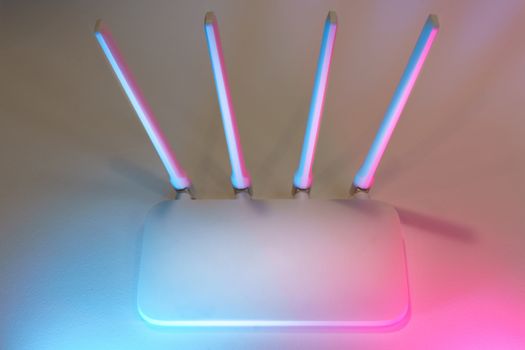
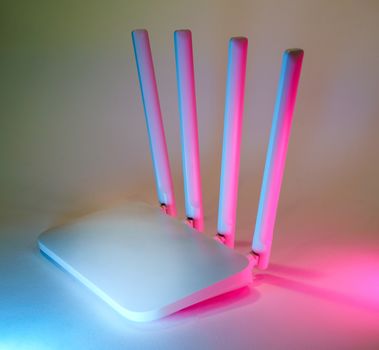
A WiFi extender, also known as a wireless repeater or booster, is a device that helps broaden your existing wireless network's reach. It receives your current WiFi signal, amplifies it, and then rebroadcasts the boosted signal to areas that are typically dead zones.
According to a 2023 survey by the Pew Research Center, over 85% of US households now rely on high-speed internet for work, education, and entertainment. Yet, more than 40% experience dead spots or weak connectivity in parts of their home, especially in multi-story houses or those with thick walls. This is where WiFi extenders come in.
.png)
WiFi extenders are different from mesh systems (which create a new, seamless network) and from powerline adapters (which use electrical wiring to transmit data). Extenders are often a more affordable and simpler solution, making them popular for households that want to boost coverage without replacing their existing router.
Key Features to Compare in WiFi Extenders
Not all WiFi extenders are created equal. The best choice depends on your home’s layout, the devices you use, and the type of internet activities you prioritize (like gaming, video streaming, or smart home devices). Here are the top features you should consider:
1. $1 - WiFi 6 (802.11ax) offers faster speeds and better performance in crowded environments than previous generations. - If your router supports WiFi 6, choose a compatible extender to maximize performance. 2. $1 - Dual-band extenders broadcast on both 2.4 GHz (longer range, slower speed) and 5 GHz (shorter range, faster speed) frequencies. - Tri-band models add an extra 5 GHz band, reducing congestion and improving speeds for multiple devices. 3. $1 - This is the maximum speed the extender can handle. For 4K streaming or gaming, look for at least 1200 Mbps. 4. $1 - Extenders specify the square footage they can cover. For example, a standard model might cover 1,200 square feet, while high-end models can reach 2,500 square feet or more. 5. $1 - Some extenders offer wired ports for connecting devices like smart TVs or gaming consoles directly, reducing lag. 6. $1 - These technologies allow the extender to serve multiple devices simultaneously and focus the signal where it’s needed most.Here’s a quick comparison of popular WiFi extender specs:
| Model | WiFi Standard | Bands | Max Speed | Coverage | Ethernet Ports | Notable Feature |
|---|---|---|---|---|---|---|
| Netgear Nighthawk X6S | WiFi 5 (802.11ac) | Tri-Band | 3,000 Mbps | 2,500 sq ft | 4 | Dedicated backhaul |
| TP-Link RE650 | WiFi 5 (802.11ac) | Dual-Band | 2,600 Mbps | 1,800 sq ft | 1 | Beamforming |
| Linksys RE7350 | WiFi 6 (802.11ax) | Dual-Band | 1,500 Mbps | 1,500 sq ft | 1 | EasyMesh support |
| TP-Link RE505X | WiFi 6 (802.11ax) | Dual-Band | 1,500 Mbps | 1,500 sq ft | 1 | OneMesh compatible |
Matching an Extender to Your Home’s Layout and Needs
Every home is different, and the best WiFi extender for an apartment isn’t always right for a large house. Here are some considerations to help you match an extender to your environment:
- $1 A compact dual-band extender is usually enough, especially if you only need to cover a couple of rooms or a garage. - $1 Look for tri-band extenders with higher coverage ratings (over 2,000 sq ft), especially if you have thick walls or multiple floors. - $1 If your household has more than 10 devices regularly connected (smartphones, laptops, TVs, smart home gear), prioritize MU-MIMO and beamforming features for smooth performance.Placement also matters. The extender should be positioned roughly halfway between your router and the area with weak signal. Avoid plugging it in behind furniture or in dead zones where your current WiFi barely reaches.
Installation and Ease of Use: What to Expect
Today’s WiFi extenders are designed for user-friendliness. Most models support “plug and play” installation and can be set up via smartphone apps or a simple web interface. Here’s what the typical setup process looks like:
1. Plug the extender into a power outlet midway between your router and the problem area. 2. Connect to the extender using a phone or laptop. 3. Use the manufacturer’s app or website to connect the extender to your WiFi network. 4. Some extenders feature a WPS (WiFi Protected Setup) button for one-touch pairing.Advanced models may offer app-based management, allowing you to see connected devices, run speed tests, or schedule WiFi access for kids.
According to IDC, by the end of 2023, over 30% of WiFi extenders sold in the US featured companion apps, reflecting the growing demand for simple, intuitive setup and management.
Common Mistakes to Avoid When Choosing a WiFi Extender
People often make a few mistakes when buying or installing their first WiFi extender. Avoid these pitfalls for the best results:
- $1 Make sure your extender matches your router’s WiFi standard (e.g., WiFi 5 or WiFi 6). A mismatch can bottleneck your speeds. - $1 Manufacturers’ coverage numbers are based on open spaces; real-world performance may be lower in homes with thick walls or metal structures. - $1 Entry-level extenders might be tempting, but they often lack key features, deliver lower speeds, and may not support newer devices. - $1 Don’t install an extender in a WiFi dead zone. It needs a strong signal from your router to rebroadcast effectively. - $1 Like routers, extenders need software updates for security and performance. Check for updates regularly.Price vs. Performance: Finding Value in WiFi Extenders
WiFi extenders range in price from $30 to $200 or more. The right choice balances your budget with your needs. Here’s a general guide:
- $1 Basic dual-band models, ideal for small homes or single rooms. Limited features and coverage. - $1 Mid-range extenders with higher speeds, better coverage, and extra features like app control and Ethernet ports. - $1 Premium tri-band or WiFi 6 extenders. Best for large homes, heavy streaming/gaming, or households with many connected devices.Consumer Reports found in 2023 that spending an extra $40–$60 on a mid-tier extender increased user satisfaction by 25% over basic models, thanks to improved reliability and features.
When comparing prices, also consider warranty and tech support. Many leading brands offer 2-year warranties and 24/7 support, adding extra value to your investment.
Smart Home Integration: Extenders for Connected Living
With the rise of smart home devices, from security cameras to voice assistants, your WiFi network is more important than ever. The best WiFi extenders are designed to support dozens of simultaneous connections without slowdown.
Look for extenders labeled as “mesh-compatible” or with features like “EasyMesh” or “OneMesh.” These models can integrate with your router to create a more seamless network, minimizing dropped connections as you move through your home.
For households with smart thermostats, doorbells, and IoT gadgets, WiFi 6 extenders are a future-proof choice. They handle congestion and interference better, ensuring smart devices perform reliably.
Making the Right Choice: Final Thoughts on the Best WiFi Extender for Greater Home Coverage
Choosing the best WiFi extender for greater home coverage doesn’t have to be overwhelming. By focusing on your coverage needs, home layout, and the devices you use, you can find a model that keeps everyone connected—whether you’re working from the attic or streaming in the backyard.
Remember to compare key features like WiFi standard, speed, coverage range, and smart technology. Don’t be swayed by the lowest price; a slightly higher investment can deliver years of reliable, frustration-free internet throughout your home.