Choosing the Right WiFi Device: Routers, Mesh Systems, Range Extenders, and Access Points Compared
The modern home relies on a fast, stable WiFi connection for everything from streaming movies to powering smart devices. Yet, not all WiFi setups are created equal. With a wide variety of devices on the market—routers, mesh WiFi systems, range extenders, and access points—it’s easy to get overwhelmed. Which device is best for your home, and how do you know when to choose one over the others? This detailed guide dives into the core differences, strengths, and ideal use-cases for each type of WiFi device so you can make an informed decision for your household’s needs.
Understanding the Main Types of WiFi Devices
Before comparing their features, it’s crucial to understand what each device does:
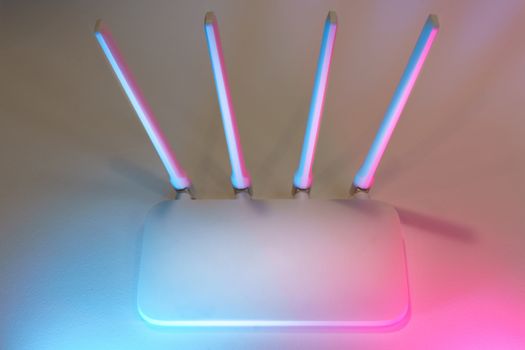
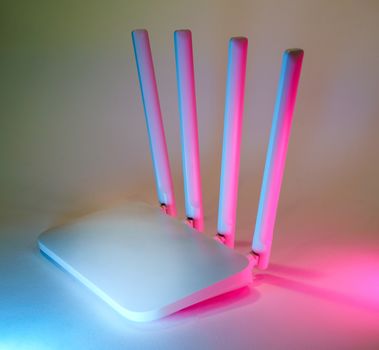
.png) - WiFi Routers: The central hub of most home networks, a router connects directly to your internet modem and broadcasts WiFi throughout your home. It manages traffic between all your devices and the internet.
- Mesh WiFi Systems: These systems consist of a main router and one or more satellite nodes. Together, they create a unified, seamless network that covers your home more evenly, eliminating dead zones.
- WiFi Range Extenders: Also called repeaters, these devices pick up your existing WiFi signal and rebroadcast it to extend coverage, typically to a single problematic area.
- Wireless Access Points (APs): Access points connect to your main router (usually via Ethernet) and create additional WiFi hotspots, ideal for expanding coverage in large homes or buildings.
- WiFi Routers: The central hub of most home networks, a router connects directly to your internet modem and broadcasts WiFi throughout your home. It manages traffic between all your devices and the internet.
- Mesh WiFi Systems: These systems consist of a main router and one or more satellite nodes. Together, they create a unified, seamless network that covers your home more evenly, eliminating dead zones.
- WiFi Range Extenders: Also called repeaters, these devices pick up your existing WiFi signal and rebroadcast it to extend coverage, typically to a single problematic area.
- Wireless Access Points (APs): Access points connect to your main router (usually via Ethernet) and create additional WiFi hotspots, ideal for expanding coverage in large homes or buildings.
Each device plays a unique role in solving specific connectivity challenges. The right choice depends on your space, usage habits, and tech preferences.
WiFi Routers: The Foundation of Every Home Network
Routers are the most common starting point for home internet. By late 2023, over 95% of American households with internet access owned at least one WiFi router, according to Statista. Modern routers typically support dual-band (2.4GHz and 5GHz) or even tri-band (adding a second 5GHz band) operation, improving speed and reducing congestion.
Key features to consider: - WiFi Standard: WiFi 5 (802.11ac) was dominant until recently, but WiFi 6 (802.11ax) is quickly becoming mainstream, offering up to 9.6 Gbps theoretical speed and better performance in crowded environments. - Range: A quality router covers about 1,500–2,500 square feet, depending on layout and obstructions. - Security: WPA3 encryption, guest networks, and parental controls are now common. Routers are best for: - Small to medium homes with open layouts. - Households with up to 20 connected devices. - Users who want a simple, single-device solution.However, routers struggle in larger homes or layouts with multiple floors and thick walls, often leaving dead spots. That’s where mesh systems and extenders come in.
Mesh WiFi Systems: Seamless Coverage for Large or Challenging Spaces
Mesh WiFi systems have surged in popularity, with annual U.S. shipments exceeding 12 million units in 2023 (IDC). These systems use a primary node (connected to your modem) and several satellites placed around your home. All units communicate, creating a single WiFi network with strong, consistent signal everywhere.
Advantages: - Whole-home coverage: Mesh systems can cover 4,000–8,000 square feet or more, depending on the number of nodes. - Seamless roaming: Devices automatically connect to the strongest node as you move. - Easy expansion: Add more nodes as needed. Mesh WiFi is ideal for: - Large homes, multi-story houses, or properties with thick walls. - Households with 30+ devices, including smart home tech. - Users who want easy setup and unified network management via smartphone apps.Mesh systems do cost more—a typical 3-node WiFi 6 mesh kit retails for $250–$400—but the upgrade is often worth it for hassle-free, blanket coverage.
WiFi Range Extenders: Budget-Friendly Boosts for Dead Zones
Range extenders are a quick fix for spotty coverage. They work by capturing your router’s signal and rebroadcasting it, effectively doubling its reach—but not its speed. According to Consumer Reports, over 40% of American households have tried a range extender at some point.
Strengths: - Cost: Basic extenders start at $25–$60. - Simplicity: Plug in, sync with your router, and you’re set. - Targeted coverage: Great for single rooms, garages, or patios. Limitations: - Reduced speeds: Extenders typically halve your bandwidth in the extended area. - Separate network: Some models create a new network name (SSID), requiring you to switch manually. Range extenders are best for: - Small areas with weak signal. - Users who need a quick, inexpensive fix rather than a full network upgrade.Wireless Access Points: Professional-Grade Expansion
Access points are more common in offices but are becoming popular in large homes or renovated spaces. They connect to your main router via Ethernet, then broadcast their own WiFi signal. Unlike range extenders, APs provide full-speed coverage wherever they’re installed.
Benefits: - No speed loss: Wired backhaul ensures top speeds. - Scalability: Add as many APs as needed. - Flexibility: Ideal for outbuildings, basements, or home offices. Considerations: - Installation: May require running Ethernet cables. - Cost: Quality APs range from $60–$200 each. Wireless APs are best for: - Homes with Ethernet wiring or powerline adapters. - Users who want maximum speed and reliability in every room. - Households with many simultaneous users or bandwidth-intensive activities.Comparing WiFi Devices: Features, Coverage, and Price
To help clarify your options, here’s a comparative overview of the main WiFi device types:
| Device Type | Typical Use Case | Coverage Area | Speed Impact | Price Range (USD) | Ease of Setup |
|---|---|---|---|---|---|
| WiFi Router | Most homes, basic setup | 1,500–2,500 sq ft | Full speed near router | $70–$300 | Easy |
| Mesh WiFi System | Large/multi-story homes | 4,000–8,000+ sq ft | Full speed across nodes | $150–$600+ | Very easy |
| Range Extender | Fill small dead zones | 500–1,500 sq ft | Halved speed in extended area | $25–$100 | Very easy |
| Access Point | Wired expansion, pro setups | 1,500–3,000 sq ft per AP | Full speed via Ethernet | $60–$200 per AP | Moderate (Ethernet needed) |
Which WiFi Device is Right for Your Home?
Choosing the ideal WiFi solution depends on your home’s size, construction, and your family’s internet habits.
- For apartments or small homes (under 2,000 sq ft): A modern WiFi 6 router is usually sufficient. - For medium homes (2,000–3,500 sq ft) with some dead zones: Consider a mesh system or a range extender for problem areas. - For large or complex homes (over 3,500 sq ft, multiple stories): Mesh WiFi offers the most seamless experience, with access points as an alternative if you have Ethernet cabling. - For heavy users (gaming, 4K streaming, smart home): Mesh systems or wired access points provide the most reliable performance.Don’t forget to consider your internet plan speed. Investing in a high-end mesh system won’t help if your ISP speed is the bottleneck.
Future-Proofing Your Home WiFi Network
Technology evolves rapidly, and so do the demands on your home network. In 2024, the average U.S. household has 22 connected devices, up from 11 in 2019 (Pew Research Center). With 8K streaming, online gaming, and more smart home devices on the horizon, prioritizing flexibility and upgradability is wise.
Tips to future-proof your setup: - Choose WiFi 6 or WiFi 6E devices for compatibility with the latest standards and faster speeds. - If possible, run Ethernet cables to key rooms for access points or future upgrades. - Consider systems with easy app-based management for real-time network control.The right device is an investment in your family’s productivity, entertainment, and security.