Traveling often means relying on public WiFi networks—whether in airports, hotels, coffee shops, or co-working spaces. While these networks offer essential connectivity, they also expose your devices and data to unique security risks. Reports show that over 60% of travelers use public WiFi while on the move, yet most remain unaware of the vulnerabilities lurking on these shared connections. In 2023 alone, the FBI warned of a rise in cyberattacks targeting travelers via public hotspots, emphasizing that cybercriminals exploit these unsecured networks to steal information, inject malware, and launch phishing attacks.
Securing your connection when using public WiFi is not just a matter of privacy—it’s about protecting your identity, financial data, and peace of mind. In this guide, we’ll dive into actionable strategies and advanced security techniques specifically tailored for travelers, helping you stay connected without compromising your safety.
The Hidden Dangers of Public WiFi for Travelers
Many travelers assume that connecting to public WiFi is harmless, especially when the network seems legitimate or requires a password. However, public WiFi networks—by design—are less secure than private ones. Here’s why:
.png) - $1 Most public WiFi networks do not encrypt traffic between your device and the router. This means anyone with basic tools can intercept your data.
- $1 Cybercriminals can position themselves between you and the network, capturing everything you send and receive.
- $1 Fake networks with convincing names (like “Hotel_Free_WiFi”) trick travelers into connecting. Once connected, attackers can monitor or manipulate your internet activity.
- $1 According to Symantec’s Internet Security Threat Report, over 25% of malware infections worldwide are traced to public WiFi networks.
- $1 Most public WiFi networks do not encrypt traffic between your device and the router. This means anyone with basic tools can intercept your data.
- $1 Cybercriminals can position themselves between you and the network, capturing everything you send and receive.
- $1 Fake networks with convincing names (like “Hotel_Free_WiFi”) trick travelers into connecting. Once connected, attackers can monitor or manipulate your internet activity.
- $1 According to Symantec’s Internet Security Threat Report, over 25% of malware infections worldwide are traced to public WiFi networks.
A survey by Norton found that 87% of travelers have put personal information at risk by using public WiFi to check emails, access bank accounts, or shop online. Understanding these risks is the first step toward safer browsing on the road.
Practical Steps to Secure Your Connection on Public WiFi
Knowing the dangers is important, but what can you do about them? Here are practical, traveler-focused strategies to shield your data and devices:
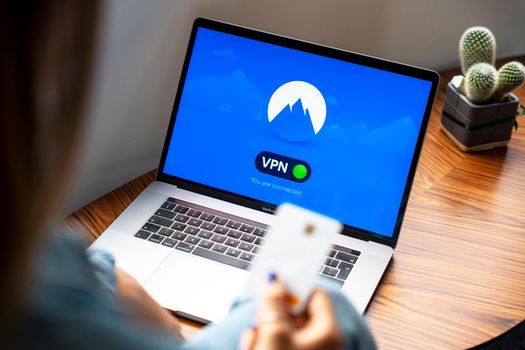
1. $1 A VPN encrypts all data leaving your device, making it nearly impossible for eavesdroppers to read. According to Statista, global VPN usage among travelers increased by 27% between 2021 and 2023. Choose a reputable VPN provider with strong encryption (AES-256 is the current standard). 2. $1 Always disconnect and forget the public WiFi network once you’re done. This prevents your device from automatically reconnecting in the future, which could expose you to rogue hotspots. 3. $1 On laptops and mobile devices, disable file sharing, AirDrop, or similar features. This closes an easy avenue for hackers to gain access to your files. 4. $1 Only visit websites with HTTPS encryption. Tools like the HTTPS Everywhere browser extension (used by over 2 million people) automatically redirect you to secure versions of websites. 5. $1 Refrain from online banking, shopping, or accessing sensitive work documents while on public WiFi. Wait until you’re on a trusted network or use a VPN if absolutely necessary. 6. $1 Keep your operating system, browsers, and security software up to date. Patches often fix vulnerabilities that hackers exploit on public networks.Advanced Security: Device Settings Every Traveler Should Know
Beyond basic precautions, configuring your device settings can dramatically improve your defenses on public networks. Here are the most effective adjustments:
- $1 Disable automatic WiFi connections. This way, your device won’t connect to an untrusted network without your knowledge. - $1 Built-in firewalls on Windows, macOS, and mobile operating systems provide a first line of defense against unauthorized traffic. Ensure they’re enabled before connecting. - $1 Even if login credentials are compromised, 2FA adds a critical extra layer of protection. Major travel apps and financial services now offer this as standard. - $1 Regularly check which devices and applications are connected to your network. On Windows, use “netstat” in Command Prompt; on Mac, use Network Utility or Activity Monitor.Comparing Public WiFi Security Tools: VPNs, Proxies, and Mobile Hotspots
Travelers have several tools at their disposal for securing public WiFi connections. Here’s a comparison of the most popular options:
| Security Tool | Level of Protection | Ease of Use | Recommended For | Average Cost (2024) |
|---|---|---|---|---|
| VPN | High (AES-256 encryption, masks IP) | Easy (apps for all devices) | All travelers, frequent public WiFi users | $3–$12/month |
| Proxy Server | Medium (hides IP, no encryption) | Moderate (manual setup often required) | Light browsing, bypassing geo-blocks | Free–$5/month |
| Mobile Hotspot | Very High (private, password-protected) | Easy (uses phone or device data) | Business travelers, high security needs | $10–$50/month (depends on data plan) |
A VPN is the most flexible and widely used tool, but if you need maximum security and have a good mobile data plan, creating a personal hotspot is the safest choice.
Real-World Traveler Scenarios: How Public WiFi Attacks Happen
Understanding how attacks unfold can help you recognize and avoid threats. Here are real-world scenarios:
- $1 In 2023, a group of travelers at a major European airport connected to what seemed like the airport’s free WiFi. In reality, it was an “evil twin” hotspot set up by hackers. Within minutes, attackers captured dozens of email logins and injected malware into unprotected devices. - $1 A 2022 survey by Cybersecurity Ventures found that 43% of data theft incidents in public spaces occurred in cafes. Hackers use packet-sniffing tools like Wireshark to intercept data on open networks. - $1 In Asia, travelers reported receiving pop-up windows on hotel WiFi asking for email and password “verification.” These were phishing prompts, not legitimate hotel pages. Victims who entered their details had their accounts compromised.Recognizing suspicious network names, avoiding pop-ups asking for credentials, and using VPNs would have prevented most of these attacks.
Travel Security Essentials: Physical and Digital Best Practices
Securing your connection is only part of the equation. Physical security and digital hygiene go hand-in-hand, especially when you’re on the move:
- $1 Always keep laptops and phones in your sight. In 2023, over 70,000 devices were reported lost or stolen in major U.S. airports alone. - $1 Don’t use the same password across multiple accounts. Password managers like LastPass or 1Password can generate and store strong passwords securely. - $1 Before traveling, back up important files to an encrypted cloud service or external drive. If your device is lost or compromised, you won’t lose vital information. - $1 When you finish using an online service, log out—especially from financial or work accounts. Staying logged in increases the risk if your session is hijacked.By combining digital vigilance with practical habits, you drastically reduce the chances of becoming a victim while relying on public WiFi during your travels.
Final Thoughts on Securing Public WiFi for Travelers
Public WiFi is an indispensable part of modern travel, but it comes with substantial risks that can compromise your privacy, identity, and finances. By understanding the dangers, using the right security tools, and practicing smart digital hygiene, you can enjoy connectivity on the road without falling prey to cybercriminals.
Remember: a few minutes spent configuring your devices and planning your digital security can save you from weeks of headaches caused by identity theft or data loss. Whether you’re a business traveler, a backpacker, or a digital nomad, staying vigilant and proactive is your best defense.