Audiophiles' Guide to Excellence with Digital Audio USB
For audiophiles, achieving the highest sound quality often involves integrating digital audio USB technology into their audio systems. This guide breaks down the critical aspects of USB audio, helping you to enhance your listening experience with the right knowledge and tools.
Understanding USB Audio Connections
.png)
Digital audio USB interfaces connect your computer to your audio system, transmitting digital sound. Here's a look at the primary USB audio connections:
- USB Type-A: This is the most common form of USB connection and is compatible with a broad range of devices.
- USB Type-C: Known for its reversibility and faster data transfer rates, Type-C is increasingly preferred for handling high-resolution audio files efficiently.
Exploring USB Audio Protocols
The USB protocol version is pivotal in defining the audio performance:
- USB 1.0: Now largely obsolete, it offers limited bandwidth unsuitable for high-quality audio.
- USB 2.0: Adequate for up to 24-bit/192kHz audio, USB 2.0 is a standard choice for many audiophiles.
- USB 3.0: With higher bandwidth, USB 3.0 supports demanding audio formats like DSD and DXD, making it ideal for top-tier audiophile applications.
Choosing the Right DAC
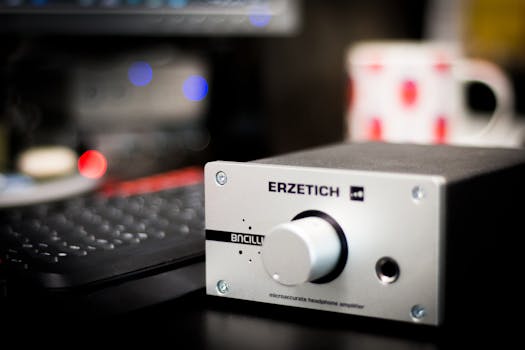
A Digital-to-Analog Converter (DAC) is essential for converting digital audio signals into analog signals. Select a DAC that supports the audio resolution you desire and look for high-quality internal components that minimize jitter and provide stable power output.
The Role of Drivers and Software
Ensure your USB audio device has the appropriate drivers and software for optimal functionality. Regular firmware updates can enhance performance and introduce new features, improving your system's overall sound quality.
Impact of Cables and Power Supplies
High-quality, well-shielded USB cables are crucial for reducing interference, while dedicated power supplies for your USB audio devices can minimize noise and ensure reliable performance, especially in sensitive setups.
Optimizing Your USB Audio Setup
Proper setup is vital:
- Computer Optimization: Adjust audio settings such as buffer size and sample rate. Turn off unnecessary applications that could interfere with audio processing.
- Dedicated Player Software: Use music player software designed for audiophiles to get enhanced sound quality and advanced playback options.
Troubleshooting USB Audio Issues
If you encounter problems like dropouts or noise:
- Check your cable connections and ensure all drivers and firmware are up to date.
- Adjust your computer's audio settings or try different USB ports.
- Restarting the device can sometimes instantly solve the problem.
Looking Ahead: The Future of USB Audio
The evolution of USB standards promises even higher data transfer rates and superior audio quality. Continued innovations in DAC technology and audio processing software are set to further refine the capabilities of USB audio systems.
Conclusion
Grasping the complexities of digital audio USB technology is crucial for any audiophile aiming to perfect their sound system. By selecting the appropriate equipment, understanding the underlying technology, and configuring your system correctly, you can unlock exceptional audio quality that elevates your music listening experience to professional levels. Whether you’re assembling a new setup or upgrading an existing one, armed with the right knowledge, you can achieve sonic excellence.