The Universal Serial Bus (USB) is a cornerstone of modern computing, connecting a myriad of devices and facilitating essential data transfer and power supply functions. Here, we explore the science behind USB data transfer, illuminating the mechanisms and technologies that make it an indispensable part of daily digital interactions.
USB Connectors
At the heart of USB technology are the connectors, which have evolved to meet diverse technological demands. These include:
.png)
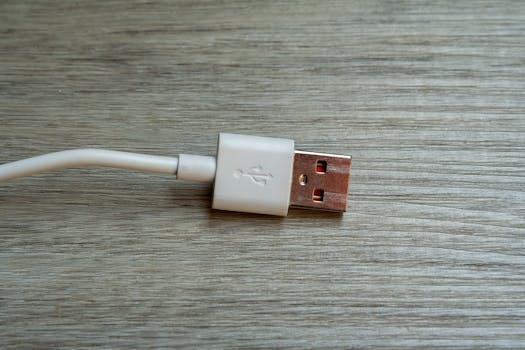
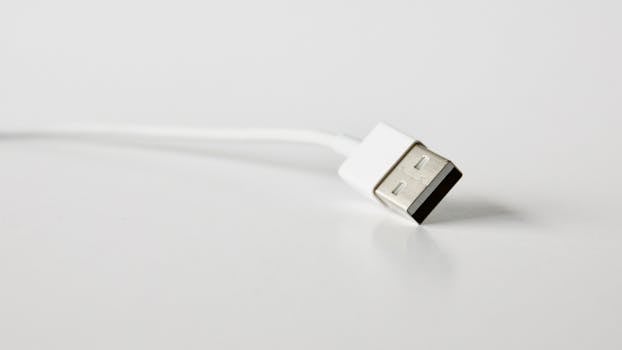
- Type-A: The standard flat, rectangular interface that connects to hosts like computers.
- Type-B: Less common, used primarily with printers and other peripheral devices.
- Mini-USB and Micro-USB: Smaller connectors typically found on older mobile devices.
- USB-C: The newest, reversible connector that supports faster data transfer rates and increased power flow, suitable for modern smartphones and laptops.
Each connector type is designed to standardize connections across various devices, ensuring compatibility and ease of use.
Standard Protocols
USB data transfer operates under defined protocols which dictate the speed and efficiency of data exchange. Key USB versions include:
- USB 1.1: An early version providing basic functionality with a transfer rate of 12 Mbps.
- USB 2.0: Enhanced version with a significant speed improvement, reaching 480 Mbps.
- USB 3.0 and USB 3.1: Advanced generations offering super-speed performance up to 5 Gbps and 10 Gbps, respectively.
These protocols ensure that devices from different manufacturers can communicate effectively, simplifying the user experience across different platforms and devices.
Data Encoding
Data encoding is crucial for the accurate transmission of information through USB cables. USB primarily uses NRZI (Non-Return to Zero Inverted) encoding, which efficiently manages data integrity during transfer. This encoding method changes the signal to indicate a binary one and maintains consistency to represent a binary zero, enhancing the reliability of the data transferred.
Power Management
USB's ability to deliver power in addition to data transfer sets it apart from many other types of connections. This dual-functionality is especially beneficial for charging portable devices. USB power delivery standards have evolved, with newer versions like USB 3.0 providing more power compared to USB 2.0, supporting quicker charging times and more effective operation of connected devices.
The Transfer Process
When a USB device is connected to a computer, a sequence of steps ensures efficient data transfer:
- Device Recognition: The computer identifies the connected device and configures the appropriate settings for interaction.
- Data Encoding: Data to be transferred is encoded using NRZI or similar methods.
- Packet Transmission: Data is sent over the USB cable in packets, small blocks that make the transfer more manageable and secure.
- Data Decoding: The receiving device decodes the data packets back into the original data format.
This streamlined process underscores the efficiency of USB technology, facilitating quick and reliable data transfer between devices.
Looking Ahead
The ongoing evolution of USB technology promises even greater enhancements in speed, power management, and general functionality. With the increasing reliance on digital technology, USB's role is set to grow, continuing to offer a universal solution for data transfer and device interoperability.
In summary, the science behind USB data transfer combines sophisticated engineering with user-friendly design to create a universally accepted standard that simplifies and enriches our interaction with technology. As we look to the future, USB will undoubtedly continue to adapt, supporting newer and more advanced digital experiences.