The Essential Role of USB in Modern Technology
In today's fast-paced digital world, the role of hardware peripherals and their connectivity standards is absolutely fundamental. Among these standards, the Universal Serial Bus (USB) stands out, though its pivotal role is often underestimated. This article delves into the crucial function USB serves in linking a variety of hardware devices, significantly enhancing user interaction and efficiency.
The Evolution of USB
.png)
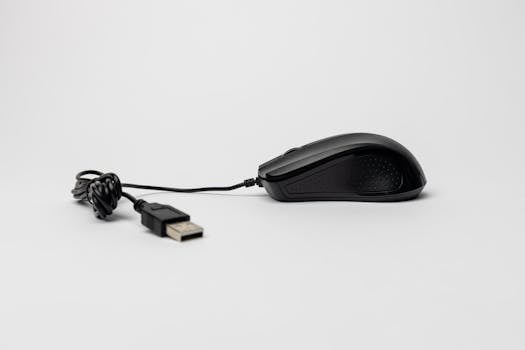
Introduced in the mid-1990s, USB has become an industry staple for short-distance digital data communications, connecting devices such as keyboards, mice, printers, and external storage to computers. The evolution from USB 1.0 to the latest iterations has marked significant advancements in speed, power management, and data transfer capabilities.
USB 1.0 made its debut as a game-changer by replacing the myriad of connectors previously used with a single, standardized interface. This innovation greatly simplified user interactions by making device connections easier and more intuitive. Subsequent versions, USB 2.0 and USB 3.0, and up to USB4, have progressively increased data transfer speeds from 12 Mbps to an impressive 20 Gbps.
The Convenience of Plug-and-Play
A standout feature of USB is its plug-and-play capability, which allows for immediate recognition and operation of devices without needing additional drivers or complicated setup procedures. This functionality is key in creating a user-friendly environment where even non-technical users can easily manage device connections.
USB Power Delivery and Charging
USB has transcended its initial data transfer utility with the introduction of USB Power Delivery (USB-PD). This innovation enables devices to charge at significantly faster rates compared to traditional chargers. The integration of charging and data transfer into a single port also helps in reducing cable clutter, promoting better portability and convenience.
Adaptability Across Devices
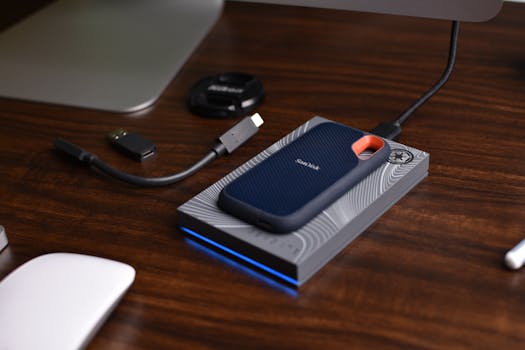
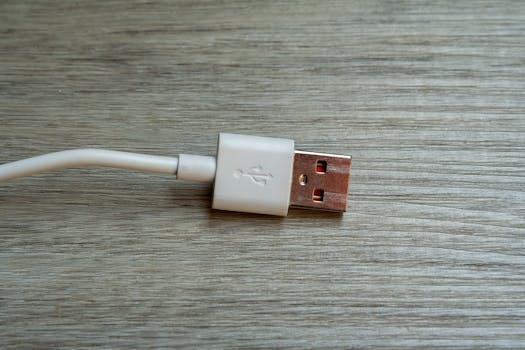
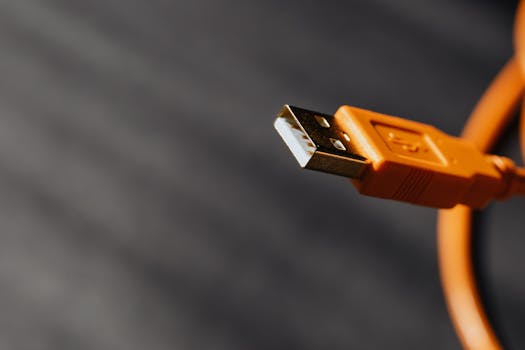
The adaptability of USB is further highlighted by its support for various device types through multiple connector shapes, including Type-A, Type-B, and the reversible Type-C. The latter supports enhanced data transfer and charging speeds, making it a preferred choice for new devices.
Despite its extensive application and critical importance, the significance of USB is often overshadowed in broader technology discussions. However, its impact on the efficiency and functionality of hardware peripherals is profound. USB not only simplifies connectivity but also fosters innovation in other technology sectors like digital audio and video.
Looking Ahead: The Future of USB
The future of USB promises even more exciting advancements. With ongoing developments in USB4 and the growing adoption of USB Type-C, users can anticipate higher data transfer speeds, improved power management, and increased convenience. These enhancements are expected to better support cutting-edge technologies like virtual reality headsets and advanced gaming devices, which demand higher bandwidth and power.
Conclusion
While it might be underrated, the role of USB in the technology ecosystem is indispensable. It has fundamentally changed how devices interact, contributing to a streamlined and effective digital experience. As technology evolves, USB's influence is set to expand, continually shaping the design and functionality of future digital devices. Recognizing and valuing the ongoing development of USB is crucial for anyone keen on understanding the landscape of modern digital technology.