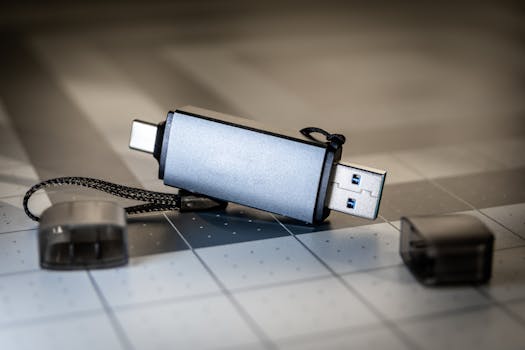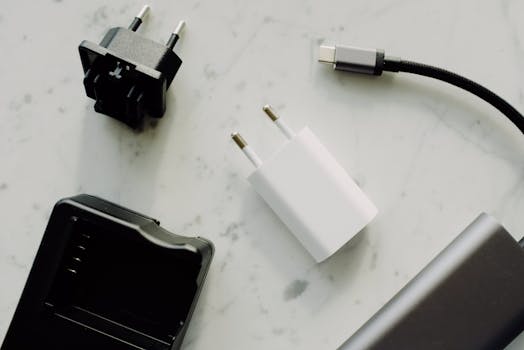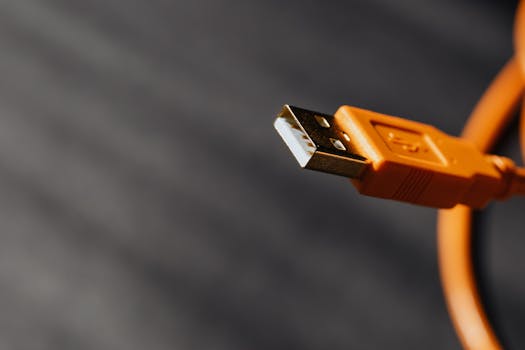
USB, or Universal Serial Bus, remains a cornerstone in the realm of digital connectivity since its inception in the mid-1990s. Its design, aimed at standardizing the connection of peripherals to personal computers, has evolved through multiple iterations, from USB 1.1 to USB 4, each enhancing performance and user experience. This article delves into the pros and cons of using USB as a connectivity solution, providing insights to help users make informed decisions.
Pros of USB Connectivity
- Universality: USB's broad acceptance across devices ensures that it serves as a near-universal port for a plethora of devices including storage drives, cameras, printers, and more. This widespread compatibility simplifies the user experience, fostering a plug-and-play ecosystem.
- Ease of Use: The plug-and-play nature of USB minimizes setup complexities, eliminating the need for additional drivers or software for basic device functionality. This user-friendly aspect is crucial for accessibility and convenience.
- Speed: With each new release, USB standards have significantly increased data transfer speeds. For instance, USB 3.0 supports speeds up to 5 Gbps, a substantial leap from its predecessor USB 2.0, which caps at 480 Mbps. Newer versions like USB 3.1 and USB 3.2 offer even greater speeds, enhancing efficiency for data-heavy operations.
- Power Delivery: USB not only transmits data but also delivers power, supporting up to 100 watts with standards like USB Power Delivery (USB PD). This capability allows users to charge devices directly from their USB connection, reducing the need for multiple power adapters.
- Cost-Effectiveness: The ubiquity of USB has led to economies of scale, making the technology affordable for manufacturers and consumers alike. Most devices include a USB port, and cables are generally inexpensive, promoting a cost-effective connectivity solution.
Cons of USB Connectivity
.png)
- Compatibility Issues: Despite its universal design, USB can face compatibility challenges. Differences between USB standards can affect performance—for example, a USB 3.0 device may not perform optimally in a USB 2.0 port. Moreover, the USB-C connector, while versatile, may require adapters to work with older USB types.
- Cable Length Limitations: USB's effectiveness decreases over distance. Standard USB connections (like USB 2.0) have a maximum cable length of about 5 meters, which can be restrictive in setups requiring longer distances without using additional equipment such as signal repeaters.
- Security Risks: The convenience of USB also introduces security vulnerabilities. USB drives can carry malware and facilitate its spread across connected systems. Furthermore, their small size and ease of use increase the risk of data theft.
- Port Availability: Modern slim and compact devices often feature fewer USB ports, which can limit the number of devices a user can connect simultaneously. This lack of ports can necessitate the purchase of additional hubs or docks, adding to the cost and complexity of the setup.
- Durability: Frequent plugging and unplugging can wear out both USB ports and connectors, potentially leading to loose connections and degraded performance over time.
Conclusion
USB stands as a predominant choice for device connectivity, praised for its universality, ease of use, and evolving data transfer capabilities. However, users must consider the limitations and potential issues, such as compatibility challenges and security risks. As digital technology progresses, it remains to be seen how USB will adapt to the shifting landscape of connectivity demands. For now, USB continues to offer a balance of performance, convenience, and cost that appeals to a broad user base.