USB Technology: The Backbone of Modern Computing
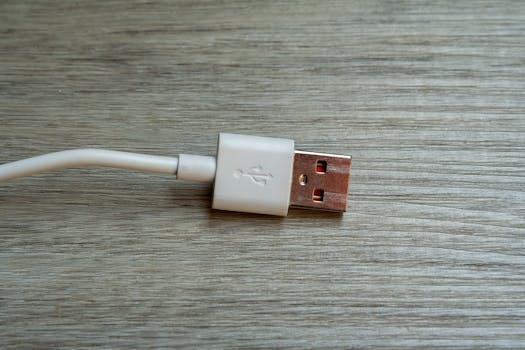
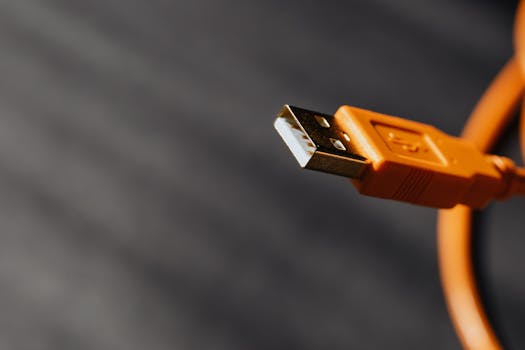
Universal Serial Bus (USB) technology is undeniably a transformative force in the realm of modern computing. Since its debut in the mid-1990s, USB has grown from a simple interface designed to standardize connections between devices and computers into a comprehensive ecosystem that enhances connectivity, power management, and data transfer capabilities across numerous devices. This article delves into the evolution of USB technology, its impacts on device connectivity and data management, and its prospective future in the ever-evolving tech landscape.
Evolution of USB Technology
.png)
The journey of USB began as an initiative to replace the myriad of connectors that previously existed, each tailored for different types of peripherals. The goal was straightforward: to introduce a universal connector that simplifies the process of connecting devices to a computer. USB 1.0 emerged in 1996, offering a data transfer rate of 12 Mbps, a significant leap forward at the time.
The real game-changer came with USB 2.0, introduced in 2000, which escalated the data transfer rate to 480 Mbps. This version broadened USB's appeal and utility across a wider array of peripherals, setting a new standard in universal data transfer interfaces. The subsequent release of USB 3.0 in 2008 further catapulted the technology with speeds up to 5 Gbps and improved power efficiency and management features.
The latest in the series, USB 4, launched in 2019, has pushed the boundaries even further with speeds up to 40 Gbps and more robust power delivery capabilities. This continuous evolution underscores USB’s central role in modern computing paradigms.
Transforming Device Connectivity and Data Management
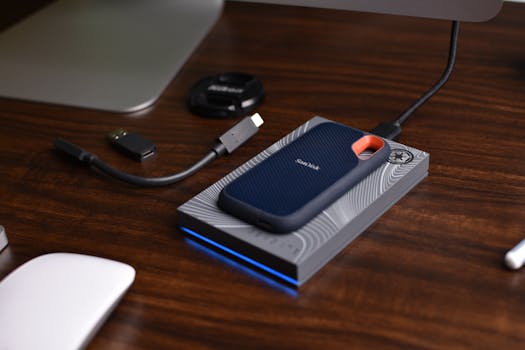
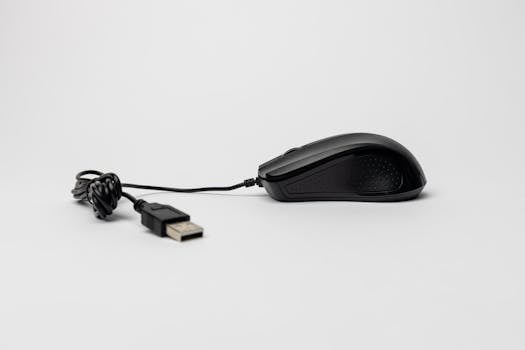
USB technology's universal acceptance has simplified how we connect a plethora of devices to our computers. Whether it's everyday peripherals like keyboards and mice or more complex devices like external hard drives and multimedia interfaces, USB has created a plug-and-play environment that enhances user accessibility and convenience.
This standardization has also significantly accelerated data transfer rates, making it easier and quicker to move large files between devices. Such capability is indispensable in today's digital age, where the volume and size of data have grown exponentially.
Enhancing Power Management and Mobile Computing
One of the less heralded but equally vital aspects of USB technology is its power delivery function. USB not only facilitates data transfers but also powers the devices connected through it. This dual-functionality is particularly beneficial in the realm of mobile computing—smartphones, tablets, and now even laptops can be charged over USB, reducing the need for multiple different chargers and cables.
The advent of USB Power Delivery (USB-PD) has further revolutionized this aspect by enabling higher power levels through USB connections, thus supporting a wider range of larger devices and contributing to the creation of a more versatile and mobile computing experience.
Looking Ahead: The Future of USB Technology
As we peer into the future, USB technology shows no signs of slowing down. USB4’s introduction sets the stage for even faster data transfer rates and improved efficiency in power delivery and resource allocation. Such advancements are likely to enhance how we use technology daily, making USB an even more integral component of our digital and mobile lives.
Moreover, USB’s continuous innovation will likely intersect with emerging technologies like the Internet of Things (IoT) and augmented reality (AR), where seamless connectivity and rapid data transfers are essential.
In Conclusion
USB technology has indelibly shaped the landscape of modern computing, streamlining how devices interact and communicate with one another while enhancing the overall user experience through improved data transfer speeds and effective power management. As this technology continues to evolve, its influence on the future of digital communication and device functionality is poised to be significant, continuing to offer new avenues for connectivity and efficiency in an increasingly digital world.