Understanding USB: An Essential Guide to Essential Tech Gear
Introduction to USB Technology Universal Serial Bus (USB) technology is a pivotal part of our daily computing environments, serving as a universal standard for connecting peripherals, transferring data, and charging devices. Developed in the mid-1990s by tech giants like Intel, Compaq, Microsoft, and IBM, USB aims to standardize the connection interfaces across devices.
Evolution of USB Technology From its initial 1.0 version to the more advanced USB4, USB technology has undergone significant enhancements. Each iteration has brought improvements in data transfer rates, power management, and user convenience:
.png)
- USB 1.0 to 2.0: These early versions laid the foundation with rates up to 480 Mbps in USB 2.0, suitable for basic peripheral devices like keyboards and mice.
- USB 3.0 to 3.2: With speeds up to 20 Gbps in USB 3.2, these versions cater to more demanding tasks such as transferring large video files or operating high-speed external hard drives.
- USB4: The latest standard promises even greater speeds and efficiency, making it suitable for future needs in high-speed data transfer and charging capabilities.
Types of USB Connectors
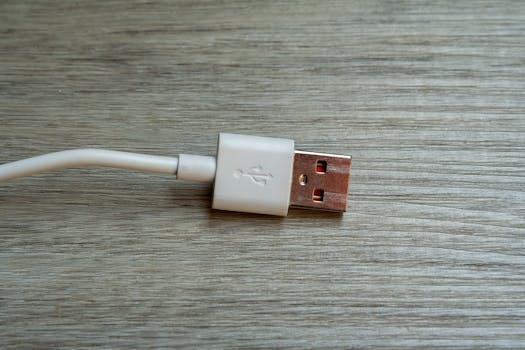
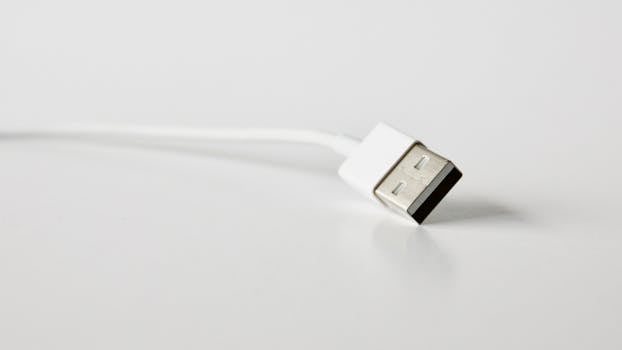
- USB Type-A: The most familiar rectangular connector found on many devices.
- USB Type-C: Known for its reversible design, this connector supports faster data transfer and charging rates and is becoming the new standard for new devices.
USB Power Delivery (PD) USB has evolved beyond data transfer to become a primary power source for many devices. USB Power Delivery (PD) enhances this capability, allowing for higher power output—enough to charge laptops and other high-power devices efficiently.
Applications and Benefits USB technology simplifies the connectivity of a wide range of devices, including:
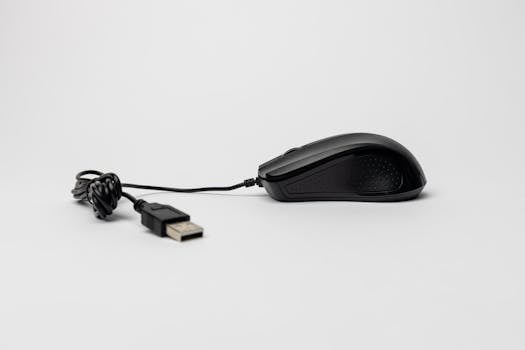
- Peripheral Devices: Keyboards, mice, printers, and webcams.
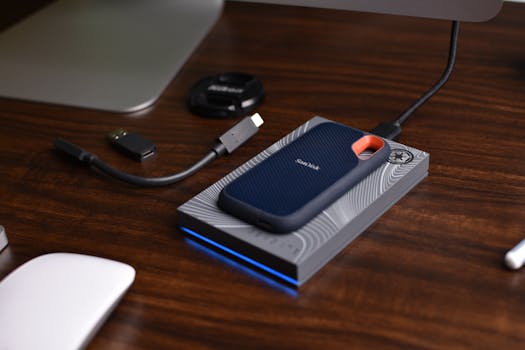
- Storage Solutions: External hard drives and USB flash drives.
- Mobile Devices: Smartphones and tablets benefit from USB for charging and data transfer.
The plug-and-play nature of USB makes it user-friendly, eliminating the need for device restarts or additional software installations for connectivity.
Looking Ahead: The Future of USB The ongoing development of USB is geared towards accommodating the increasing data and power demands of modern technology. With USB4, users can look forward to enhanced performance in video output, faster data transfer rates, and more robust power delivery.
Practical Considerations for Users
- Compatibility: Ensure that the USB standards and connectors of your devices are compatible. Adapters may be necessary when using older devices with newer standards like USB-C.
- Power Needs: For devices that require more power, consider using USB PD-compatible products.
Conclusion USB technology remains integral to the functioning of modern electronic ecosystems. With each new development, USB continues to offer more in terms of efficiency, speed, and overall performance. Understanding and leveraging this technology can significantly enhance your experience in a digitally driven world.