Optimizing Bluetooth for Best Performance: A Comprehensive Guide
Bluetooth technology has become the invisible backbone of our wireless lives. From streaming music on wireless headphones to syncing health data from smartwatches, Bluetooth’s convenience and versatility are hard to overstate. Yet, as our homes and workplaces fill with more and more connected devices, ensuring seamless, high-performance Bluetooth connections can be surprisingly challenging. Interference, outdated standards, and even physical obstructions can all degrade your experience, leading to choppy audio, lag, or dropped connections.
This comprehensive guide explores the science behind Bluetooth performance and uncovers advanced strategies for everyday users and tech enthusiasts alike. We'll go beyond the usual "move closer to your device" advice, diving into frequency management, device compatibility, firmware optimizations, and real-world data on what really makes a difference. Whether you're troubleshooting persistent issues or seeking to unlock the full potential of your gadgets, this guide will equip you with actionable insights and the latest information in 2024.
Understanding Bluetooth Versions and Their Impact
Not all Bluetooth connections are created equal. The Bluetooth standard has evolved significantly since its introduction in 1999, with each version offering improvements in speed, range, and stability. Using devices with different Bluetooth versions can dramatically impact real-world performance.
.png)
As of 2024, the most common Bluetooth versions in consumer devices are Bluetooth 4.2, 5.0, 5.1, and the latest, 5.3. Each iteration has increased maximum data rates, improved energy efficiency, and enhanced resistance to interference. For example, Bluetooth 5.0, launched in 2016, doubled the data transfer speed and quadrupled the range compared to Bluetooth 4.2. The newer Bluetooth 5.3 further reduces latency and optimizes power consumption, making it ideal for audio streaming and IoT applications.
Here’s a comparison of key Bluetooth versions:
| Bluetooth Version | Max Data Rate | Range (Open Air) | Key Features | Release Year |
|---|---|---|---|---|
| 4.2 | 1 Mbps | ~60 meters | Low Energy, Privacy upgrades | 2014 |
| 5.0 | 2 Mbps | ~240 meters | Double speed, quadruple range | 2016 |
| 5.1 | 2 Mbps | ~240 meters | Direction finding, improved location services | 2019 |
| 5.3 | 2 Mbps | ~240 meters | Reduced interference, better encryption, lower latency | 2021 |
To optimize performance, ensure both your source and target devices support the latest Bluetooth standard available to you. Pairing a Bluetooth 5.3 smartphone with 5.3 headphones, for example, will typically deliver noticeably better audio quality, range, and battery life than mixing versions.
The Science of Interference: Navigating the 2.4 GHz Spectrum
Bluetooth operates in the 2.4 GHz ISM (Industrial, Scientific, and Medical) band, which is also used by Wi-Fi, microwaves, cordless phones, and even some baby monitors. This crowded space can lead to significant signal interference, especially in urban environments or tech-heavy homes.
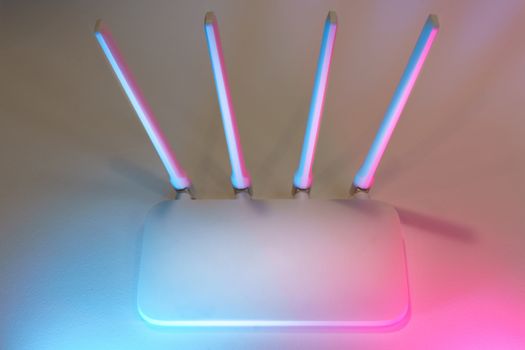
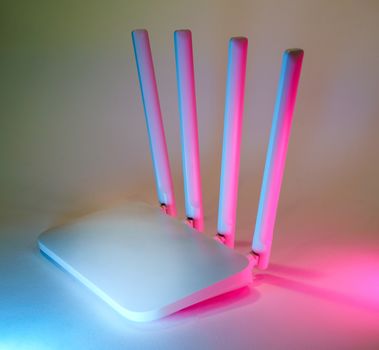
A 2022 study by the Bluetooth Special Interest Group (SIG) found that 68% of reported Bluetooth connectivity issues stem from electromagnetic interference (EMI) from other devices. Wi-Fi routers set to the 2.4 GHz band are the most common culprits. Many modern routers support dual-band operation (2.4 GHz and 5 GHz); switching your Wi-Fi to 5 GHz can instantly reduce competition on the Bluetooth frequency, often resulting in more stable connections.
Physical obstructions also play a role. Bluetooth signals can penetrate walls, but dense materials like concrete and metal can reduce range by up to 50%. For optimal performance:
- Minimize obstructions between paired devices. - Avoid placing Bluetooth devices near microwave ovens, as they emit strong 2.4 GHz signals. - Use shorter distances for mission-critical connections—Bluetooth audio is most reliable within 10 meters.Device Pairing Strategies: Multipoint, Profiles, and Prioritization
Modern Bluetooth devices support a variety of advanced pairing and connection features, but not all are created equal. Understanding these features can help you get the most out of your gear—especially if you juggle multiple devices.
Multipoint technology allows a single Bluetooth device (like headphones) to connect to two sources simultaneously (for example, a laptop and a smartphone). While convenient, multipoint connections can sometimes lead to audio glitches or slow switching between sources. If you’re experiencing performance issues, try disabling multipoint and connecting to a single source for maximum stability.
Bluetooth profiles are another key factor. Profiles define what types of data your device can send and receive. For example, the Advanced Audio Distribution Profile (A2DP) is used for high-quality audio streaming, while the Hands-Free Profile (HFP) is optimized for phone calls. Ensuring both devices support the latest versions of these profiles can improve sound quality and reduce latency. In 2023, the introduction of the LC3 codec (Low Complexity Communication Codec) in the Bluetooth LE Audio profile provided up to 50% improved audio efficiency over classic SBC codecs, while maintaining or even enhancing sound quality.
Prioritizing connections can also help. Many devices allow you to set connection priorities in their settings—giving preference to your main device (like your phone) can prevent unwanted interruptions from secondary devices.
Firmware, Drivers, and Software: The Hidden Keys to Performance
One of the most overlooked aspects of Bluetooth optimization is keeping firmware, drivers, and Bluetooth stack software up to date. Manufacturers frequently release updates to address security vulnerabilities, improve compatibility, and enhance performance.
- For smartphones, check for system updates regularly, as Bluetooth improvements are often bundled with OS patches. - On Windows PCs, updating your Bluetooth drivers can dramatically improve stability, especially when paired with newer devices. In 2023, Microsoft noted a 27% decrease in Bluetooth-related support tickets after introducing an updated Bluetooth stack in Windows 11. - For headphones, speakers, and wearables, use the manufacturer’s app to check for and install firmware updates.If you experience persistent issues, deleting and re-pairing your device can reset connections and clear corrupted settings. As a last resort, resetting Bluetooth settings (available on most smartphones) can resolve deep-seated problems.
Environmental Optimization: Placement, Power, and Usage Patterns
The physical environment where you use Bluetooth devices can have a profound impact on performance. Here are some less obvious, research-backed tips for optimizing your Bluetooth experience:
- Elevate devices: Placing devices higher up (on a desk or shelf) can increase effective range by as much as 35%, as obstacles like furniture are less likely to block the signal. - Avoid signal “dead zones”: Bluetooth signals can bounce off surfaces, creating areas of weak signal. If you notice frequent dropouts, try repositioning your devices or rotating them slightly to change antenna orientation. - Power matters: Devices with low battery sometimes reduce Bluetooth transmit power to conserve energy, leading to weaker connections. Keeping both source and target devices above 30% battery can help prevent performance drops. - Limit simultaneous connections: Connecting too many Bluetooth devices at once can overwhelm your smartphone or PC, leading to instability. Most smartphones support up to 7 connections, but performance is best with 1-3 active links.For smart homes or offices, consider using Bluetooth mesh networks (introduced with Bluetooth 5). Mesh networks allow dozens or even hundreds of devices to communicate efficiently over large areas, ideal for lighting, sensors, and automation.
Advanced Bluetooth Optimization: Customization for Power Users
For those willing to delve deeper, several advanced strategies can unlock further improvements:
- Bluetooth Antenna Upgrades: Some desktop PCs and laptops allow replacement or addition of external Bluetooth antennas. High-gain antennas can increase both range and stability, especially in large homes or offices. - USB Bluetooth Adapters: If your computer’s built-in Bluetooth is outdated or unreliable, a USB Bluetooth 5.3 adapter (costing as little as $20 in 2024) can provide a substantial upgrade. - Codec Selection: On Android devices, developer options allow users to select preferred audio codecs (like aptX, LDAC, or LC3). Higher-quality codecs can significantly improve audio performance, but require compatible headphones. - App Optimization: Some music streaming apps (such as Spotify or Tidal) offer settings to increase Bluetooth audio bitrate. Experiment with these settings for better sound, though higher bitrates may slightly reduce battery life.For professionals or gamers, using devices certified for low latency (like those with aptX Low Latency support) can minimize audio delay, crucial for video calls or real-time gaming.
Final Thoughts on Optimizing Bluetooth for Best Performance
Bluetooth technology is more powerful and versatile than ever, but achieving the best possible performance requires attention to both hardware and environment. By understanding the significance of Bluetooth versions, managing interference, updating software, and applying both basic and advanced optimizations, you can unlock a seamless wireless experience.
As Bluetooth continues to evolve, staying informed and proactive will ensure your devices deliver the audio quality, range, and reliability you expect. Whether you’re streaming music, managing smart home devices, or using Bluetooth for productivity, these strategies will keep you connected—today and into the future.