USB technology, standing for Universal Serial Bus, is a cornerstone of modern digital connectivity, offering a universal standard for connecting a wide array of devices. Initiated in the mid-1990s, USB has undergone several advancements, evolving through various versions, each improving in speed, power management, and functionality. This article explores the evolution, types, and everyday applications of USB, shedding light on its critical role in data transfer and the future prospects of this indispensable technology.
Evolution of USB Standards
USB technology started with USB 1.0, which was a breakthrough with its 12 Mbps transfer rate. Progressing to USB 2.0, it increased to 480 Mbps, enhancing functionality with greater power output for more demanding devices. USB 3.0 further elevated the data transfer rate to 5 Gbps, providing ten times the speed of USB 2.0. The latest, USB 4, incorporates Thunderbolt 3 technology and supports speeds up to 40 Gbps, exemplifying USB's adaptability and continual evolution to meet advancing technological demands.
.png)
Types of USB Connectors
USB connectors vary, each serving distinct purposes:
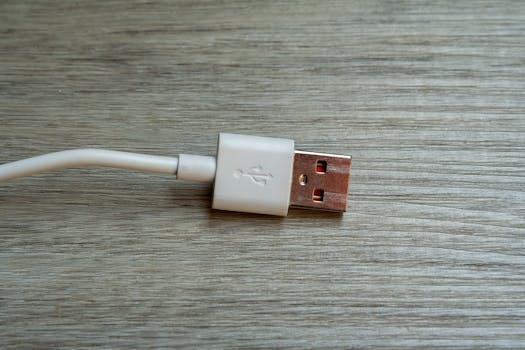
- USB-A: The original design, prevalent in various devices, known for its flat and rectangular shape.
- USB-B: Common in printers and larger devices, recognized for its almost square shape.
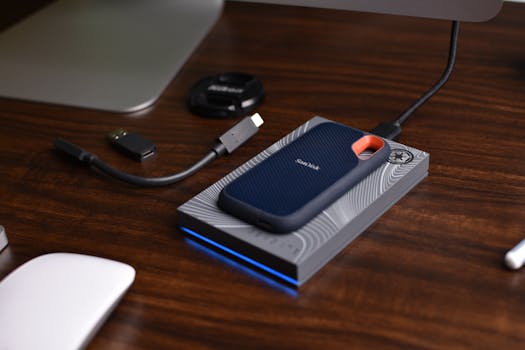
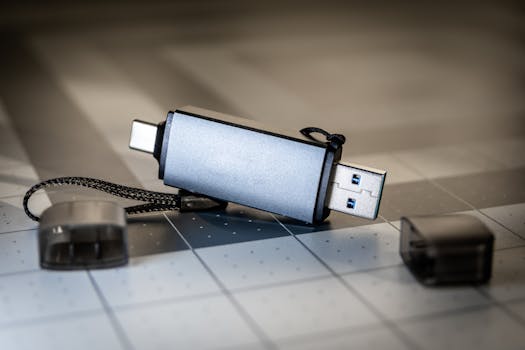
- USB-C: The latest standard, notable for its reversible plug orientation and ability to support higher power and faster data transfer, making it suitable for modern devices.
USB in Everyday Use
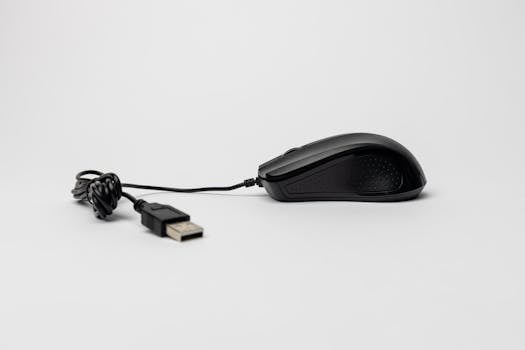
USB's integration into daily life is extensive, connecting essential peripherals like keyboards, mice, and printers, as well as managing data transfer among devices such as smartphones and external storage devices. Its role in charging various gadgets further highlights its ubiquitous presence in daily technology use.
Importance of USB in Data Transfer
USB is pivotal in data management, enabling efficient transfer of files across devices and syncing data with mobile devices. Its continual development aims to meet the escalating need for faster data transfer rates, reflecting its critical role in managing digital data efficiently.
USB Power Delivery
USB's capability in power delivery has significantly evolved, allowing more devices to charge faster through higher voltage and current. The introduction of the USB Power Delivery Specification has revolutionized how devices like laptops and monitors are powered, emphasizing USB's versatility in power management.
Future of USB
Looking ahead, USB is set to continue its trajectory of innovation with enhancements in speed, power, and integration with other technologies such as Thunderbolt and potential developments in wireless USB. These advancements will further solidify USB's role in future digital connectivity frameworks.
Conclusion
USB technology is a fundamental element in the framework of digital connectivity, essential for the efficient functioning of numerous devices. Understanding USB technology helps users make informed decisions regarding their digital infrastructure, ensuring compatibility and optimizing performance. As digital demands evolve, USB's role is expected to be increasingly pivotal, demonstrating its enduring relevance in the technology landscape.